Embrace the Bounty of Fall Produce
It’s been quite a summer, with record-breaking heat across parts of the Mid-Atlantic. But now, fall is officially here, and we can’t wait to share the best of local fall produce with you!
Fall is one of the best times of year to eat locally in Virginia and Maryland. As the weather cools, local farms begin harvesting crisp apples, sweet pears, hearty root vegetables, leafy greens, pumpkins, and winter squash—many of which are perfect for roasting, soups, salads, and comforting fall meals.
If you’re wondering what fruits and vegetables are in season in Virginia and Maryland this fall, this guide can help you know what to look for at your local farmers market and how to turn your seasonal haul into easy meals.
At Seasonal Roots, our online farmers market changes with the seasons, so members can shop for fresh produce and other locally sourced foods based on what local farmers are harvesting. We deliver to communities throughout Virginia, Maryland, and Washington, D.C., making it easier to eat locally without making a trip to the farmers market every week.
Fall Produce at a Glance
Here’s a quick look at some of the fruits and vegetables you may find during the fall growing season in Virginia and Maryland.
*Harvest timing varies depending on the crop, farm, weather, growing conditions, and location.
What Fruits and Vegetables Are in Season in Virginia and Maryland in Fall?
Fall’s seasonal produce is especially versatile. Many crops harvested in September, October, and November can be enjoyed raw, roasted, baked, sautéed, or simmered into soups and stews.
Here are some of the seasonal fruits and vegetables to look for.
Fall Produce Favorites
Here’s a look at some of the delicious fall produce you can enjoy, along with their benefits and creative uses in your meals:
APPLES
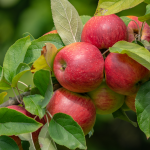
Harvest: August-November. Few foods feel more like fall than a crisp, freshly harvested apple. Virginia and Maryland orchards produce a variety of apples throughout the season, with different varieties becoming available as the harvest progresses.
Enjoy apples: Fresh as a snack, sliced into salads, paired with cheese, cooked into applesauce, or baked into crisps and pies.
Try this: Add sliced apples, toasted nuts, and a sharp cheese to a salad of fall greens.
Benefits: Heart-healthy flavonoids in the skin, antioxidants, and 4 grams of dietary fiber.
BEETS
Harvest: Year-round, with strong availability in cooler seasons. Earthy and naturally sweet, beets are a versatile root vegetable that can add color and flavor to fall meals.
Enjoy beets: Roasted, steamed, pickled, sliced into salads, or blended into soups and dips.
Try this: Roast beets until tender and serve them with greens, goat cheese, and a simple vinaigrette.
Benefits: Red and gold beets are nutritional champs known for their high concentration of nitrates and accompanying blood pressure-lowering effects. They are also high in fiber and packed with nutrients.
BROCCOLI
Typical harvest: September–November. Cooler weather is ideal for many brassicas, including broccoli. Its familiar flavor makes it an easy addition to family meals.
Enjoy broccoli: Raw with dip, roasted with olive oil, tossed into pasta, added to stir-fries, or incorporated into grain bowls.
Try this: Roast broccoli until the edges are crisp, then finish it with lemon juice and grated Parmesan.
Benefits: One cup of broccoli has as much vitamin C as an orange. Sulforaphane and other natural compounds in broccoli are reported to stop cancer cells from forming in your body.
BRUSSELS SPROUTS
Typical harvest: September–March. Brussels sprouts are a classic fall vegetable, and roasting brings out their natural sweetness while creating deliciously crispy edges.
Enjoy Brussels sprouts: Roasted, sautéed, shaved into salads, or added to sheet-pan dinners.
Try this: Halve Brussels sprouts, toss them with olive oil and salt, and roast until caramelized. Add balsamic vinegar just before serving.
Benefits: Brussels sprouts are high in fiber, vitamin K, vitamin C, plus folate and iron.
CARROTS
Typical harvest: September–November. Sweet, crunchy carrots are one of the easiest seasonal vegetables to keep on hand.
Enjoy carrots: Raw with dip, shredded into salads, roasted as a side dish, added to soups, or baked into carrot cake.
Try this: Roast carrots with olive oil, honey, and fresh herbs for an easy side dish.
Benefits: Loose carrots are a particularly good source of beta carotene, fiber, vitamin K1, potassium, and antioxidants.
CAULIFLOWER
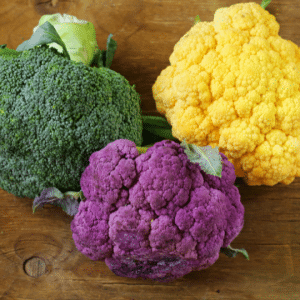 Typical harvest: September–June. Cauliflower is a fall favorite because it can take on so many different flavors and textures.
Enjoy cauliflower: Raw, roasted, steamed, mashed, or blended into soup.
Try this: Cut cauliflower into florets, toss with olive oil and spices, and roast until golden brown.
Benefits: Vitamin C and compounds that may help to prevent cancer and lower cholesterol.
CELERY ROOT (a.k.a. Celeriac)
Typical harvest: September–November. Don’t let its knobby appearance fool you. Celery root has a subtle celery flavor and is surprisingly versatile.
Enjoy celery root: Raw in salads or roasted, baked, boiled, mashed, or puréed.
Try this: Make a creamy celery root and potato soup for a comforting fall dinner.
Benefits: High in fiber and a good source of vitamins B6, C, K and minerals phosphorus, potassium, and manganese.
CELERY
Typical harvest: October–December. Celery is more versatile than its reputation as a snack with peanut butter might suggest. The stalks and leaves can both be used in cooking.
Enjoy celery: Raw, roasted, baked, or as a flavorful base for soups, stews, stuffing, and sauces.
Try this: Save the leafy tops and chop them into soups, salads, or homemade stocks.
Benefits: Packed with antioxidants, vitamin C, beta carotene, and flavonoids, and a great source of phytonutrients which have been shown to reduce inflammation.
DARK LEAFY GREENS
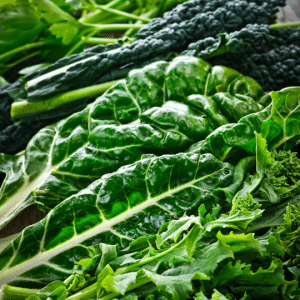
Typical harvest: Year-round, depending on the variety. Kale and other cool-season greens are well suited to fall growing conditions. Their hearty texture makes them especially useful in warming meals.
Enjoy leafy greens: Fresh in salads and smoothies, sautéed as a side dish, or added to soups, casseroles, pasta, and grain bowls.
Try this: Massage chopped kale with olive oil and lemon juice, then add apples, nuts, and cheese for a hearty fall salad.
Benefits: Iron, calcium, vitamins A and C, and fiber.
FENNEL
Typical harvest: Fall through spring. Fennel has a distinctive, mildly licorice-like flavor that becomes sweeter and more mellow when cooked.
Enjoy fennel: Thinly sliced in salads, roasted, or added to soups, pasta, and other savory dishes. The fronds can be used like an herb.
Try this: Roast fennel wedges alongside carrots and potatoes for an easy vegetable side.
Benefits: Vitamin C, potassium.
PARSNIPS
Typical harvest: October–April. Parsnips look similar to carrots but have a nuttier, more complex flavor and natural sweetness.
Enjoy parsnips: Roasted, mashed, added to soups and stews, or combined with other root vegetables.
Try this: Roast parsnips with carrots and sweet potatoes for a simple mixed root-vegetable dish.
Benefits: Potassium, fiber.
PEARS
Typical harvest: August–February. Sweet, juicy pears are another fall orchard favorite. Different varieties ripen at different times, so the selection can change throughout the season.
Enjoy pears: Fresh, paired with cheese, sliced into salads, baked, poached, or added to breakfast dishes.
Try this: Add sliced pears and toasted walnuts to a salad of hearty greens.
Benefits: Vitamin C, copper, 4 grams of fiber.
PUMPKINS
Typical harvest: October–February. Pumpkins aren’t just for carving. Many varieties are delicious roasted, puréed, or incorporated into both sweet and savory recipes.
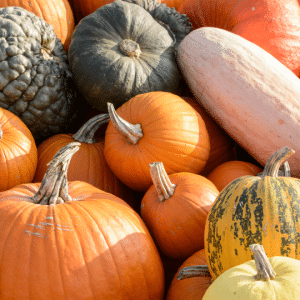
Enjoy pumpkin: In soups, breads, pies, roasted dishes, and other baked goods.
And don’t forget the seeds. Clean them, toss them with olive oil and your favorite seasonings, and roast them for a crunchy snack or salad topping.
Try this: Roast pumpkin or another cooking squash with olive oil, sage, salt, and pepper for a savory fall side.
Benefits: Potassium, tons of fiber, B vitamins.
RUTABAGAS
Typical harvest: October–April. Rutabagas are a hardy root vegetable with a flavor somewhere between a turnip and a potato. They’re particularly well suited to cool-weather cooking.
Enjoy rutabagas: Roasted, mashed, added to casseroles, or puréed into soups.
Try this: Roast rutabaga cubes with carrots and parsnips, then finish with lemon juice and fresh herbs.
Benefits: Vitamin C, fiber.
SPINACH
Typical harvest: Year-round, with cooler weather often producing especially sweet, tender leaves. Spinach is one of those versatile greens that can easily move from breakfast to dinner.
Enjoy spinach: Fresh in salads and smoothies, sautéed, or added to soups, pasta, casseroles, and baked dishes.
Try this: Wilt a few handfuls of spinach into soups, pasta, scrambled eggs, or grain bowls for an easy boost of greens.
Benefits: Vitamins A, C, K, iron, and disease-fighting phytonutrients.
SWEET POTATOES
Typical harvest: September–December. Sweet potatoes are a fall staple for good reason. They’re naturally sweet, filling, and incredibly versatile.
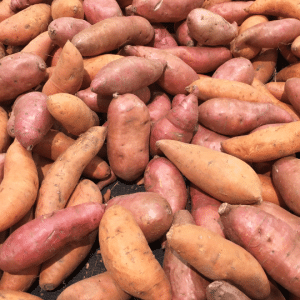
Enjoy sweet potatoes: Roasted whole, cubed for grain bowls and salads, turned into fries, added to soups, or puréed.
Try this: Roast cubes of sweet potato with olive oil, smoked paprika, and rosemary for an easy weeknight side.
Benefits: Vitamin A, iron, and anti-inflammatory properties.
TURNIPS
Typical harvest: September–April. Turnips are another cool-season root vegetable that can be used in a variety of ways. And don’t forget that the greens are edible, too.
Enjoy turnips: Roasted, steamed, boiled, mashed, or added to soups and stews. Turnip greens can be sautéed or added to stir-fries.
Try this: Roast turnips with carrots and potatoes, or sauté the greens with garlic as a simple side.
Benefits: Vitamin C (roots), vitamins A, K, and folate (leaves).
WINTER SQUASHES
Typical harvest: October–February. Butternut, acorn, delicata, and other winter squash varieties are some of the stars of the fall and winter kitchen. Their sturdy skins also make them excellent storage vegetables.
Enjoy winter squash: Roasted, baked, steamed, stuffed, or puréed into soups and sauces.
Try this: Roast winter squash with olive oil, sage, and rosemary, then add it to a grain bowl with greens and toasted seeds.
Benefits: Omega-3 fatty acids, vitamin A.
Easy Ways to Eat More Fall Produce
You don’t need a complicated recipe to make the most of a seasonal farmers market haul. Start with a few simple meal-building strategies.
Roast a Sheet Pan of Vegetables
- Combine carrots, parsnips, sweet potatoes, Brussels sprouts, cauliflower, or winter squash with olive oil, salt, pepper, and your favorite herbs.
- Roast until tender and caramelized.
- Easy upgrade: Make a large batch and use the leftovers in salads, grain bowls, wraps, or omelets throughout the week.
Build a Better Fall Salad
- Start with kale, spinach, or another seasonal green
- Apples or pears
- Roasted beets or squash
- Toasted nuts or seeds
- Cheese
- A simple vinaigrette
The combination of sweet fruit, earthy vegetables, crunchy toppings, and hearty greens makes a salad satisfying enough for a meal.
Make a Seasonal Soup
- Fall vegetables practically invite you to make soup. Try one of these combinations:
- Butternut squash + carrots + onion + broth + ginger
- Sweet potatoes + apples + onion + broth + warming spices
- Celery root + potatoes + leeks + broth + herbs
Soup is also a great way to use several vegetables from your weekly farmers market haul at once.
Build a Fall Grain Bowl
Start with a cooked grain such as farro, rice, quinoa, or barley. Add roasted seasonal vegetables, leafy greens, beans or another protein, and a flavorful dressing.
Try:
- Roasted sweet potato + kale + apple + toasted pumpkin seeds + tahini dressing
- Keep Apples and Pears Within Reach
Fall fruit makes easy snacking almost effortless. - Keep apples and pears on the counter or in the refrigerator for a quick snack, then use extras in salads, oatmeal, baked dishes, or simple desserts.
What to Buy from the Seasonal Roots Online Farmers Market in Fall
If you’re not sure where to start, choose a combination of fruit, a few roasting vegetables, leafy greens, and one “new-to-you” crop.
A simple fall farmers market haul might include:
- Apples or pears for snacking
- Sweet potatoes for roasting
- Brussels sprouts or cauliflower for a quick side
- Kale or spinach for salads and soups
- Winter squash for a weekend meal
- Carrots and parsnips for roasting
- One unfamiliar root vegetable, such as celery root or rutabaga, to try something new
This approach gives you ingredients for breakfasts, lunches, dinners, and snacks without requiring a detailed meal plan.
Why Eat Seasonally in the Fall?
Eating seasonally means choosing fruits and vegetables that are harvested during their natural growing season. When produce is harvested at or near peak ripeness, it can offer excellent freshness, flavor, and variety.
Eating locally and seasonally can also help strengthen the regional food system by supporting local farmers and food producers.
At Seasonal Roots, we consider food grown or made within approximately 150 miles of our delivery areas to be local, while also working with regional partners when needed to provide additional variety.
Supporting local farms can help keep agricultural businesses and farmland in the region, while choosing food that travels shorter distances can be one part of a more locally focused food system.
Seasonal Roots also minimizes packaging and reuses boxes as part of our efforts to reduce waste.
How Seasonal Roots Makes Fall Eating Easier
One of the easiest ways to eat with the seasons is to let local farms guide your menu.
Seasonal Roots is an online farmers market serving communities throughout Virginia, Maryland, and Washington, D.C. Our selection changes with the seasons, so what you see in the market reflects what’s being harvested and produced by our network of local farmers and food artisans.
Members can customize their weekly produce basket and choose from seasonal fruits and vegetables as well as other locally sourced foods, including:
- Eggs and dairy
- Meat
- Prepared foods
- Artisan products
Try some of the fall bakery choices:
- Chocolate Chip Pumpkin Scones
- Pumpkin Cream Cheese Danish
- Pumpkin Chai Milk
Seasonal Roots From Dirt to Doorstep
The Seasonal Roots Dirt to Doorstep model is designed around freshness and local connections.
Rather than moving produce through a traditional national delivery network, Seasonal Roots works with local farms and delivers food to members through neighborhood Market Managers.
That means your weekly order can be shaped by what’s growing and being harvested throughout the region.
What Might Be in a Fall Seasonal Roots Basket?
Every week is different, and availability varies by farm, location, weather, and harvest timing.
But a fall order might include a combination such as:
Apples + sweet potatoes + leafy greens + Brussels sprouts + winter squash + carrots
From there, you can turn one weekly haul into snacks, salads, roasted vegetables, soups, grain bowls, and side dishes.
The idea isn’t, cauliflower, carrots, beets, turnips, parsnips, rutabagas, celery root, fennel, spinach, and other leafy greens. Exact availability varies by crop, farm, weather, to follow a rigid meal plan. It’s to shop what’s fresh and let the season inspire what you cook or prepare
For more inspiration, explore Seasonal Roots’ Seasonal Highlights and see how local produce changes throughout the year.
Frequently Asked Questions About Fall Produce in Virginia and Maryland
What fruits and vegetables are in season in Virginia in the fall?
Common fall produce in Virginia includes apples, pears, sweet potatoes, pumpkins, winter squash, Brussels sprouts, broccoli, cauliflower, carrots, beets, turnips, parsnips, rutabagas, celery root, fennel, spinach, and other leafy greens. Exact availability varies by crop, farm, weather, and location.
What vegetables are in season in Maryland in the fall?
Maryland’s fall harvest commonly includes root vegetables such as carrots, turnips, parsnips, beets, and sweet potatoes, along with broccoli, cauliflower, Brussels sprouts, leafy greens, winter squash, and other cool-season crops. Local availability, Brussels sprouts, parsnips, beets, turnips, rutabagas, cauliflower, and winter squash are all excellent for roasting. Toss vegetables with olive oil, salt, pepper, and herbs, then roast until varies throughout the season.
What fruits are in season in Virginia and Maryland in October?
Apples and pears are among the most common fall fruits available in October. Specific varieties and availability depend on the orchard, harvest timing, weather, and location.
What should I buy at from a local online farmers market in October?
October is a great month to look for apples, pears, pumpkins, winter squash, sweet potatoes, Brussels sprouts, broccoli, cauliflower, leafy greens, carrots, parsnips, turnips, rutabagas, and celery root.
What is the best fall produce for roasting?
Sweet potatoes, carrots, Brussels sprouts, parsnips, beets, turnips, rutabagas, cauliflower, and winter squash are all excellent for roasting. Toss vegetables with olive oil, salt, pepper, and herbs, then roast until tender and caramelized.
Why is eating seasonal produce better?
Seasonal produce is harvested according to its natural growing cycle and can offer excellent freshness, flavor, and variety. Buying locally and seasonally also gives consumers an opportunity to support farmers and food producers in their region.
Where can I buy local fall produce in Virginia?
Seasonal Roots is an online farmers market that connects members with local farmers and food artisans and delivers fresh seasonal food to communities throughout Virginia, Maryland, and Washington, D.C. Availability varies based on location and the current harvest.
Can I get local fall produce delivered to my home?
Seasonal Roots offers customizable weekly grocery delivery to eligible communities in Virginia, Maryland, and Washington, D.C. Members can choose seasonal fruits and vegetables roast a sheet pan of produce, make a pot of soup, or add some crisp apples and along with other locally sourced foods. Delivery availability depends on your location.
Ready to Eat With the Seasons?
Fall is a great reminder that eating well doesn’t have to be complicated.
Start with what’s growing now. Pick up a few seasonal fruits and vegetables, roast a sheet pan of produce, make a pot of soup, or add some crisp apples and hearty greens to your favorite salad.
When you shop seasonally, the farm can do some of the menu planning for you.
And with Seasonal Roots, it’s easy to bring more of that local harvest home.
Not a Seasonal Roots Member Yet?
Join Seasonal Roots today and get 50% off the $60 annual membership fee with code FALLGUIDE26 at sign-up.
Pay just $30 for your first year of membership and start enjoying fresh, local produce and other seasonal foods delivered right to your door.
About Seasonal Roots
Since 2011, Seasonal Roots’ online farmers market has connected families in Virginia, Maryland and Washington D.C. with local family farmers who use sustainable, humane practices. Our neighborhood market managers – who believe in living better through scrumptious, healthy eating, being kind to animals, protecting the environment, and spreading joy – home-deliver freshly harvested produce, pastured eggs, grass-fed dairy and meat, plus artisan fare. We empower our members to eat better and live better with more nutritious, flavorful food that’s good for us and good for the planet. More info at seasonalroots.com.